 Click to Cash
October 2016. I opened my company.
My very first store was called the big old online store.
That’s the real name. I had no idea what I was doing. No idea about branding or anything like that. I just had a crack at it.
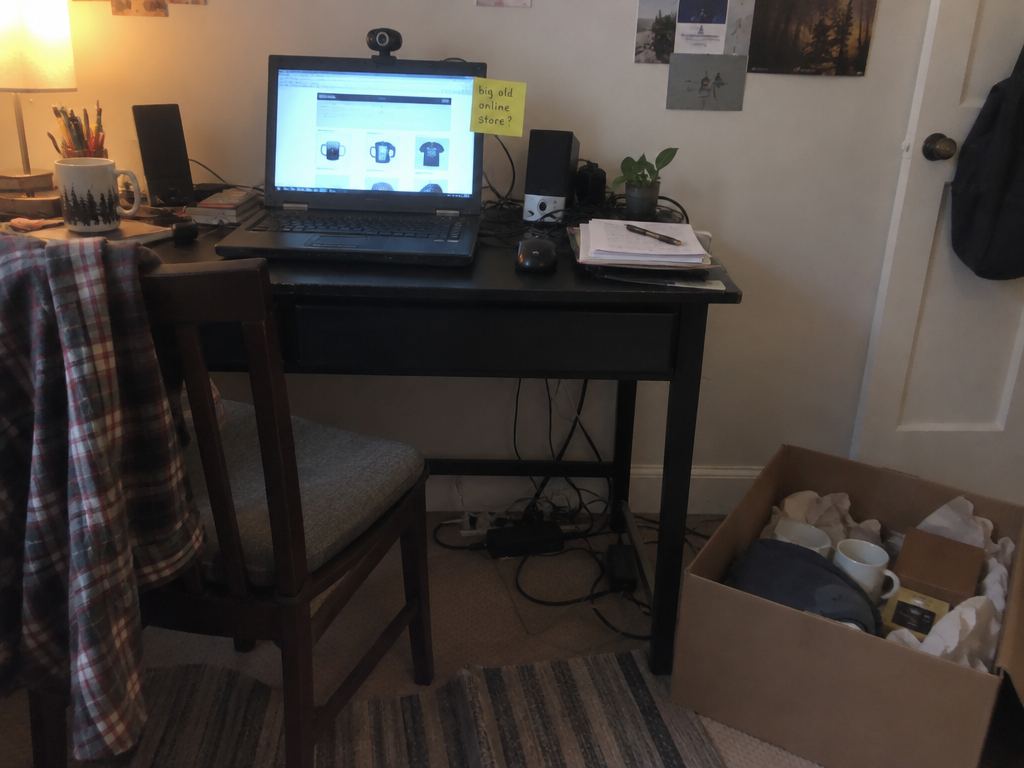
I went on to run online stores for a couple of years after that. I spent a few mil on ads. I dealt with the stock, the customer support, the checkout, the whole circus.
And the entire time, I had no idea there was a simpler way to use the exact same skills.
That’s what this letter is about. It’s a bit of a ride, so let me tell it properly.
Quick note first. I’m Australian, but every number in here is US dollars. And this is my story, not a promise about yours. I’ll be straight with you about that the whole way through.
How a laptop guy ends up naming a store like that
To explain it, I have to rewind a little.
Back then I had a job fixing laptops at a local tech spot. I was there about three years all up.
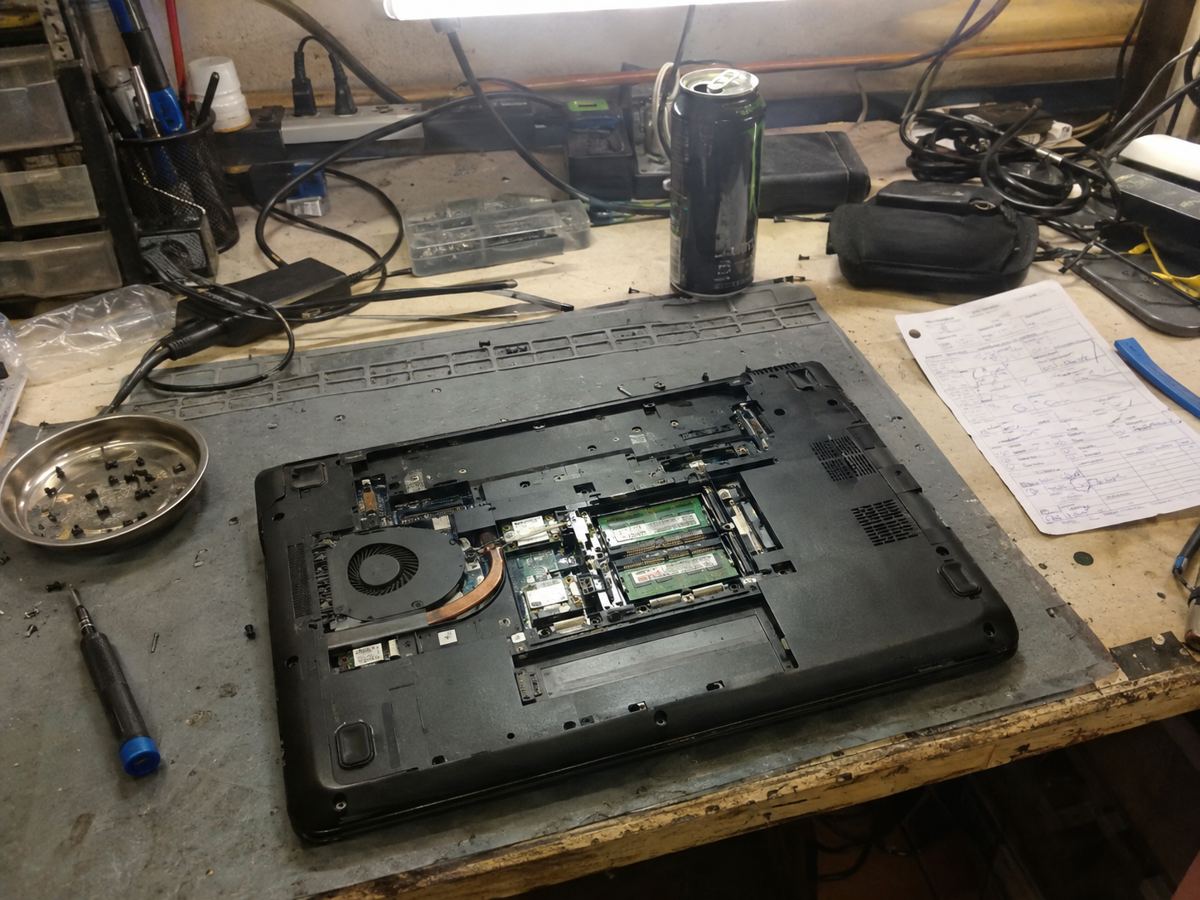
It was a traineeship. For roughly the first two years I was on about 280 a week while I learned the trade.
280 a week doesn’t go far. You don’t have spare money. You have “maybe I’ll skip that” money.
About a year and a half before I left, I started reading about something called FIRE, mostly on Reddit.
FIRE stands for financial independence, retire early. You save hard, build up a pile of money, and live off it way before normal retirement age.
So I went all in. I budgeted really hard. I was very frugal.
About three weeks to a month in, a thought hit me.
This can’t be right.
I didn’t want to live like that forever. Nah. Not for me.
The reply that wrecked my plans
So I went looking and found FatFIRE.
Same idea, but for people who make a lot of money and can build the pile fast. Regular FIRE is something like 2 million put away so you can live off 60k a year. FatFIRE is more like 10 million put away and living off 500k a year.
Now that sounded cool to me.
My actual goal back then was way smaller. I wanted to make 1k a week net from something online. Net just means what’s left after all the costs. 1k a week is about 4k a month.
Realistic goal. But I had zero idea how I’d do it. I didn’t realise you need a bit of capital, meaning actual money behind you for things like ads, to get something like that going. That lesson came later.
Then I found the post.
Someone on Reddit asked a simple question. How long until you can FIRE?
It was a big one, about 100 replies. People were saying things like 18 years. Some had it counted down to the day.
I’d done my own maths. My wage, plus a pay rise of about 3 percent a year or something like that. I had mine almost down to the day too. Something like 25 years. Or 30, maybe 34. Some crazy number like that.
Decades of being very frugal. Beautiful.
If you’ve ever done that maths on your own life, you know the feeling in your gut when the number comes up.
Then I saw the top reply. Pinned. First thing you read.
“I’m gonna retire in three years. I’m doing e-com.”
I was just like... what?
Three years. Versus my decades.
That one comment is the reason you’re reading this.

Turns out this guy was running an online store on Shopify.
E-com, short for e-commerce, just means selling products online through your own store. Shopify is software that lets you build that storefront quickly and set up a checkout so people can put their card in and pay.
You can also drop ship, which means a supplier, say in China, sends the product straight to your customer and you never touch it. That’s a whole other rabbit hole for another day.
Anyway. I dove in.
Every dollar of the pay rise went into ads
About two years into the laptop job, they finally bumped me up to the main pay. Just under 800 a week.
I basically pretended I never got it. All of it went into ads.
Was that a bit mad? Probably. After two years on 280 a week, pretending a pay rise never happened takes some serious mental gymnastics. But I wanted out of that job more than I wanted the extra cash in my pocket.
E-com took me a good year to crack.
The big old online store was my first go. Then I did an outdoors store. That one did about 800k in sales over about eight months.
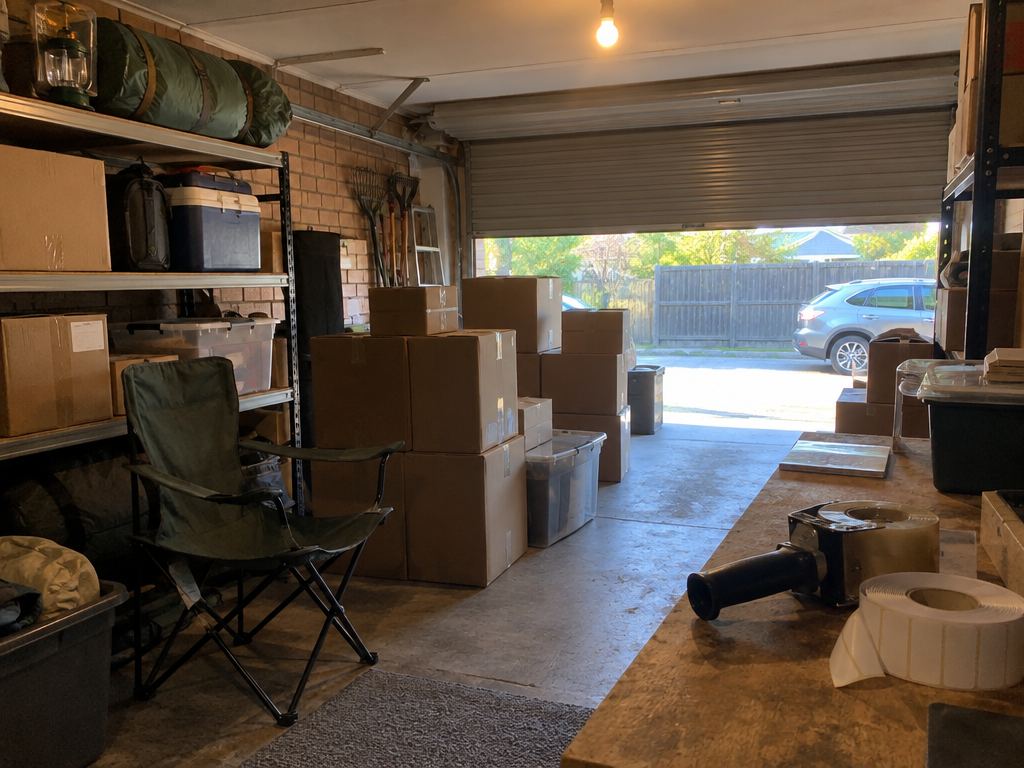
Sales, mind you. Not profit. Sales is everything that goes through the checkout before you pay for the ads, the products and everything else. Keep that in mind whenever anyone flashes a sales number at you. Me included.
Then I had one more store where I sold an air cooler thing. That one did a few mil in sales, and I profited about 300k out of it.
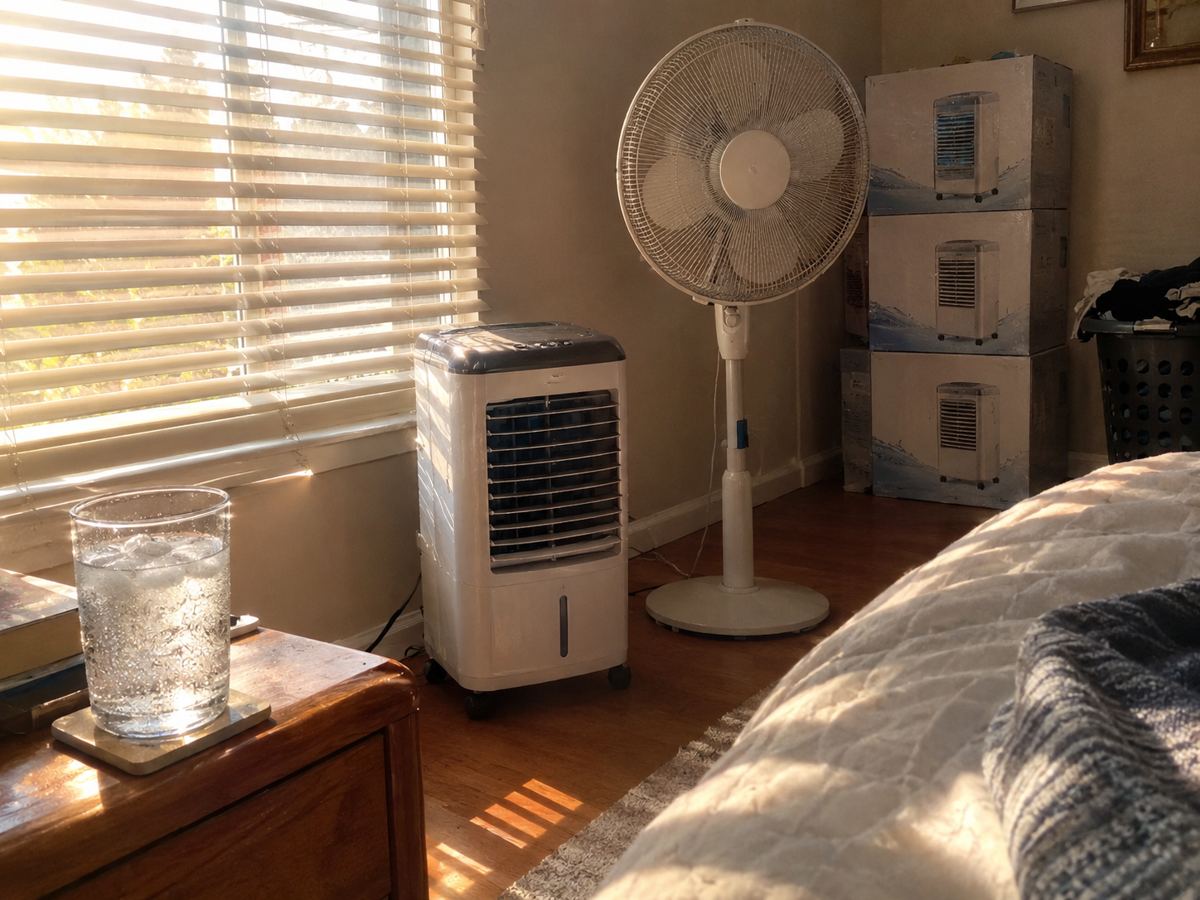
That’s where I made my first real bit of money. And that’s what got me out of the laptop job.
I started working for myself. No staff. Well, one VA, which is a virtual assistant, basically a remote helper. Just one, for about two and a half years.
Eventually I got sick of e-com. And I didn’t know what I was going to do next.
The thing nobody told me about
Then I started hearing about financial lead gen.
Lead gen is short for lead generation. You find people who are interested in something, say car finance, and a company pays you when they put their details in. Each of those people is a lead.
I got invited into a network doing lead gen, for car finance at first, I think it was. For that whole first year I didn’t even realise it was one piece of something way bigger called affiliate marketing.
Affiliate marketing means you promote someone else’s offer, and they pay you a cut when a customer comes through you. On some offers that cut is something like 70 percent.
I’d done e-com all that time and never knew it existed. It still does my head in.
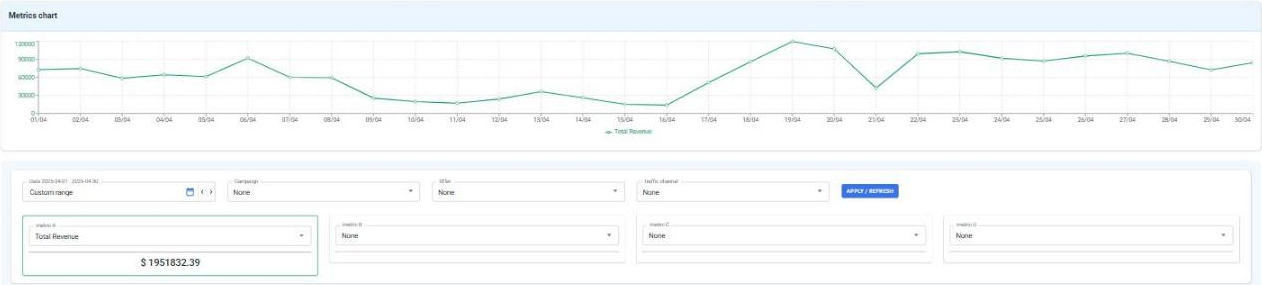
About two weeks in, I had my first profitable day. About a hundred bucks profit.
About two weeks after that, my first 1k net day.
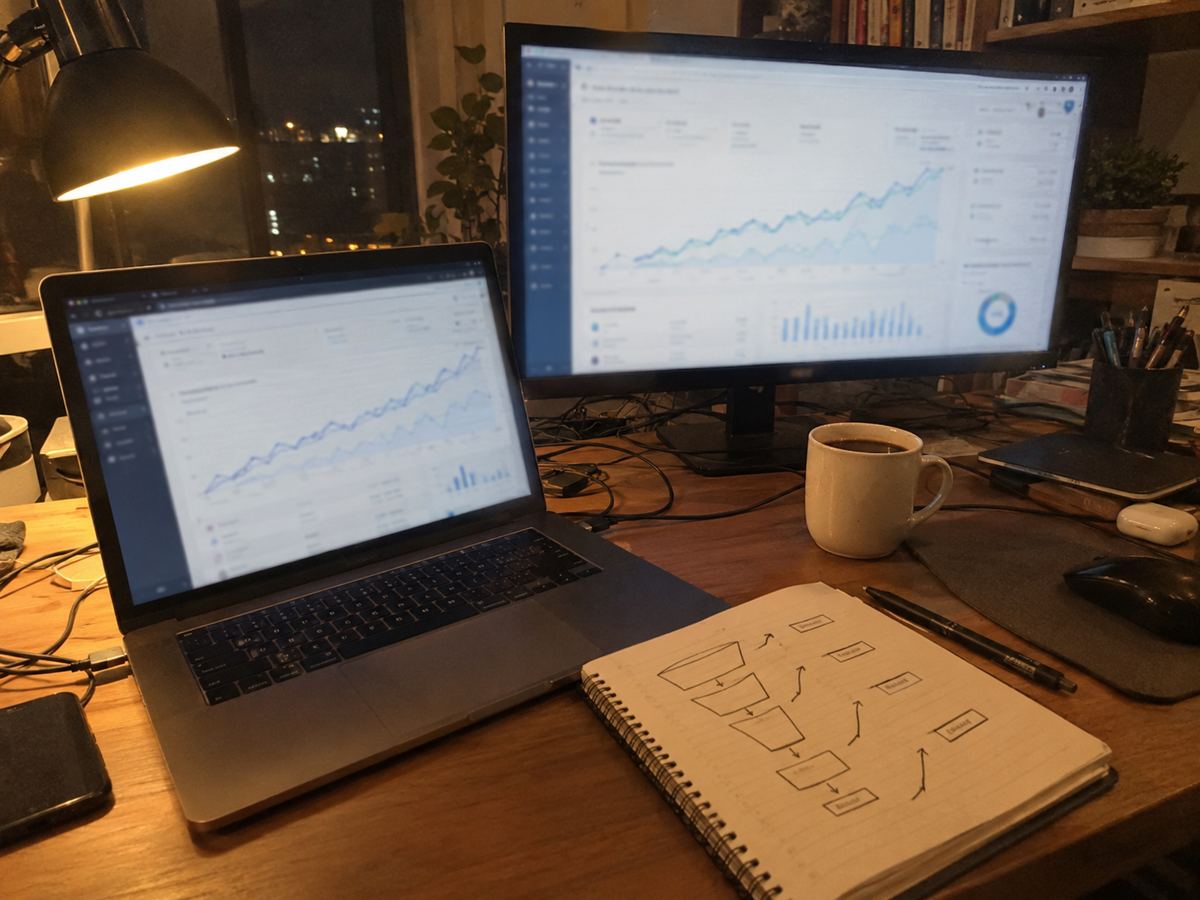
Remember my big goal? 1k a week net. And there it was, in a single day.
I kept climbing from there. Pretty quickly, too.
Here’s why I reckon it went so much faster than e-com.
With e-com you’ve got to do everything. Customer support. Controlling the product. Quality control. Making sure you’ve got stock, or drop shipping it properly so you don’t piss off your customers. Then the ads, the branding, all the apps on the store, the checkout, the payment processing. The lot.
With affiliate, the product, the checkout and the customer support belong to someone else. My job is getting the right people to see the offer.
Same bloke. Same brain. Way simpler game.
And it suits my brain. I’ve got ADHD. When I can hyper-focus on one thing, or two at most, I can get a ridiculous amount done. E-com was everything at once. This was one thing.
What I actually do now
For me now, those one or two things are Meta ads, meaning ads on Facebook and Instagram, and AI.
I run Meta ads to offers on affiliate networks. A network is basically a marketplace where companies list their offers and what they’ll pay for customers.
Some of it is lead gen. Some of it is VSLs, short for video sales letters, which are basically the video version of a letter like this one. Those sell things like digital products, health related products, and courses about making money on the internet.

Here’s the part nobody told me for years. There are companies out there that will pay people for these marketing skills, once they’ve refined them enough.
It’s not some genius-only thing once it clicks. And these days AI can take a big chunk of the work, if you know how, which makes the job a lot quicker and simpler. Getting it to click is the part that takes time.
If you’re the type who’d rather hyper-focus on one thing and get properly good at it, you can have a look inside Click to Cash now.
It’s 47 dollars a month with a 30 day money back guarantee. Ad money and tools come on top, and I spell all of that out below.
If you’re not sure yet, no stress. Keep reading, because my numbers are next, and so is the honest bit that goes with them.
My numbers, and the honest bit
Quick reminder. Net means what’s left after ad spend and costs. Not sales. The bit you actually keep.
I’ve had 1k net days. I’ve had 5k net days. 10k net days. I’ve had 50k net days.
My personal best was 77k net in a single day. Just me, solo.
And being part of a team, I’ve seen over 100k in net profit come into the company in a single day. More times than I can count on my fingers.
Those numbers are not typical. I ran ads full time, for years, before I saw days like that. And most people who try this lose money at the start. I did too.
I know how that sounds. If I’d read those numbers back when I was on 280 a week, I’d have rolled my eyes too.
So read my numbers as my story. Not a forecast of yours.
If anyone ever tells you this is easy money from day one, close the tab. It’s a skill. Skills take reps, and reps cost a bit while you’re learning.
The cars, and why I sold them
Back in Australia, a lot of that money turned into cars. I’m not going to pretend it didn’t.
A Porsche 718 GTS 4.0. A Porsche Taycan GTS, the electric one. A Lamborghini Huracán.
Then I moved to Thailand for a year and a half. Went back to Australia for four months, and bought a Ferrari 488 GTB while I was there. Old habits.
I’ve since sold the lot.
These days I live a pretty humble life in Thailand. I spend my time on the two things I actually love, media buying and teaching it. Turns out the cars were fun for about five minutes. The game itself never got old.
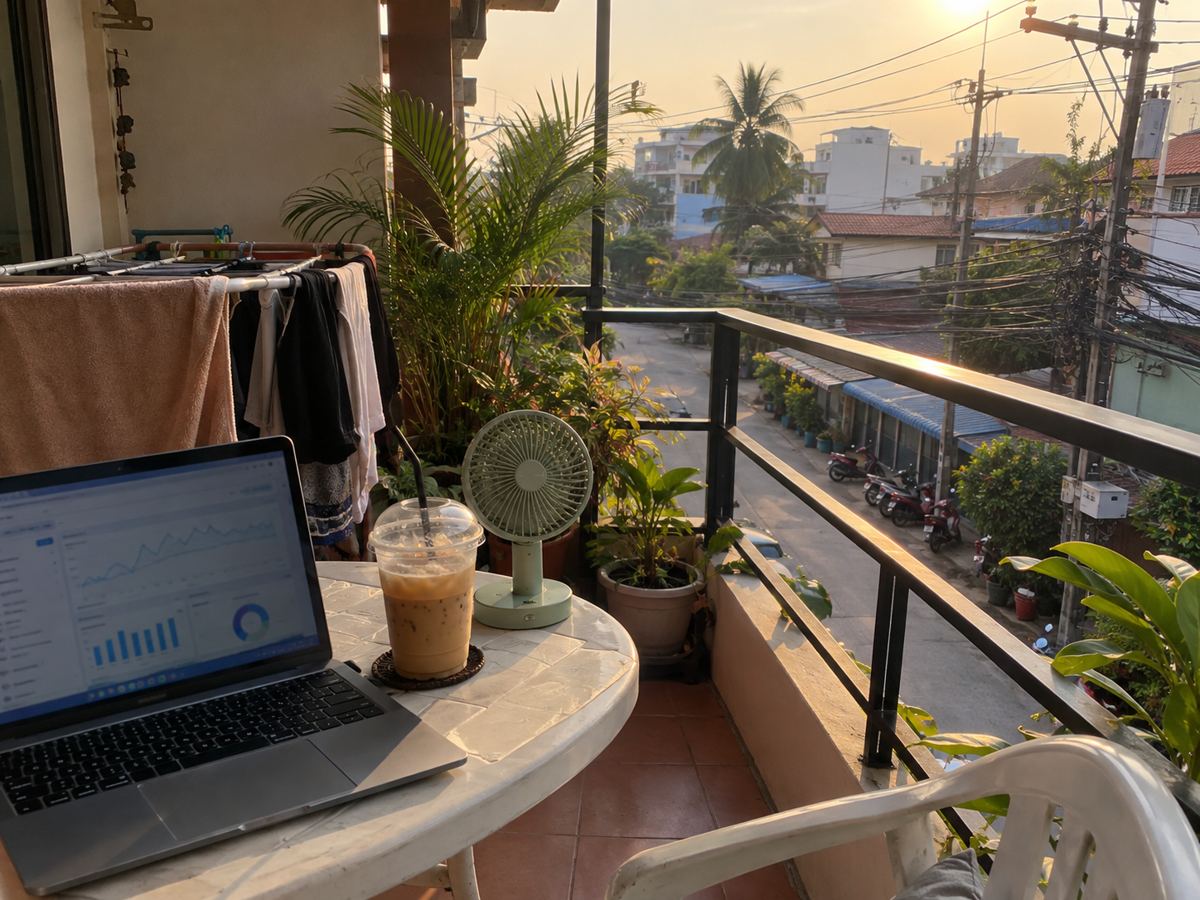
And now it’s time to expand on the teaching side and really bring the value.
Once I figured all this out, my whole focus became building these affiliate campaigns out and scaling them as hard as I could.
And it turned into a proper passion. Digging into the ads. The philosophy behind them. Deep diving the metrics.
It’s basically a video game. You look at the numbers, you make a move, you see what happens. Some people look at a spreadsheet and see a spreadsheet. I look at one and see a level I haven’t beaten yet.

The people I’ve trained
Then another passion snuck up on me. Helping other people who share that same fire. (Yes, pun intended. The FIRE thing had to come back somewhere.)
People who want their freedom, sure. But who also get a kick out of the numbers. My kind of weirdos. If you’ve read this far, there’s a decent chance you’re one of them.
I’ve been involved in quite a few groups over the years and trained a fair few people.
More than 10 of them have gone on to make over 500k net. A handful of those have made over a million net for themselves.
There’s more than I can remember who’ve made 100k or 200k profit.
Some of them like to run 10k net days. Some like 20k net days. That goes up and down, because affiliate can be a bit of a roller coaster. But when it prints, it prints hard.
Others prefer to keep it chill. They pick verticals that are steady and evergreen, and pull four or five k net a week without constantly chasing new offers. A vertical is just a category of offer, like car finance or health. Evergreen means it sells all year round.
Same honesty as before, though. Those are the standouts, not the norm. Plenty of people never get anywhere near those numbers, and I’m not going to pretend everyone who learns this ends up there.
What I focus on is helping people get more consistent at the skill itself. Less roller coaster. That’s the whole point.
So what is Click to Cash?
Click to Cash is where I teach this. It lives on Skool, which is a private online classroom with a community attached.
It’s the stuff I’ve been banging on about in this letter. Meta ads, using AI to make the job quicker, and running offers from affiliate networks. No store. No stock. No customer support inbox. And no clever store name required, which, as we’ve established, is lucky for me.
Now the cost, because I hate it when people hide it.
The course is 47 dollars a month. There’s a 30 day money back guarantee, so if it’s not for you, you can get your money back.
But the course isn’t the only cost. While you’re learning, plan on about 30 dollars a day for ads, plus about 100 a month for tools.
So if you run ads every day, your first month all in is roughly 1050 dollars. Course, tools and ad budget. Budget for all three before you start.
That ad money is how you learn, and at the start a fair bit of it won’t come back. So only use money you can afford to lose while you figure this out.
Remember my 1k a week goal back in the laptop days? I had no clue you needed a bit of capital to get going. You do. Now you know before you start, which is more than I got.
This is for you if you like numbers, you can stomach a bit of a roller coaster, and the video game bit made you lean in a little.
It’s not for you if you need next week’s rent to come out of it.
This isn’t going anywhere
No countdown timer here. No “only 3 spots left” nonsense.
This isn’t going anywhere. If anything, it’s only going to get better.
The space itself? Who knows. Who knows where AI is going, or where any of this is going.
All I know is this. Right now, there’s a massive gold mine in operation.
And I’m here to hand you a very effective, very expensive pickaxe.
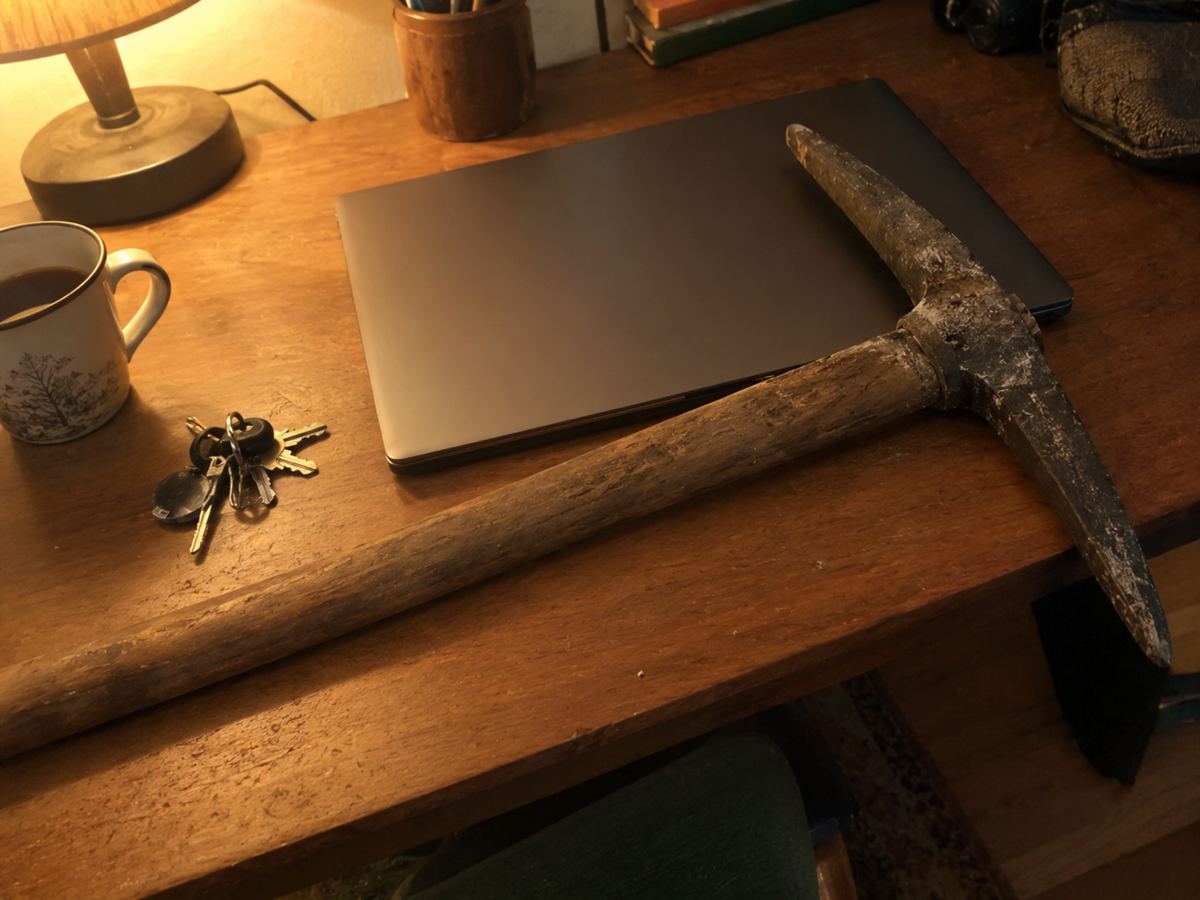
Expensive for me, anyway. It took years of full time work and a few mil in ad spend to make. For you it’s 47 dollars a month, plus the ad money and tools I just mentioned.
Tap below and have a look around. If it’s not for you, you’ve got 30 days to get your money back.
If you’ve read this far, you already know whether the fire’s there.
Ryan